pakwacacimosis nitisîyikasôn: My name is WIld Pony

tânisi nitôtêmak!
What’s In A Name?
I would not be here without my connection to my culture and my family. I grew up hearing the sounds of nôhkoms sewing machine at the crack of dawn, searching nimosoms house for cookies only to find tins of beads, and helping my mom facilitate beading and sewing projects in her classroom.
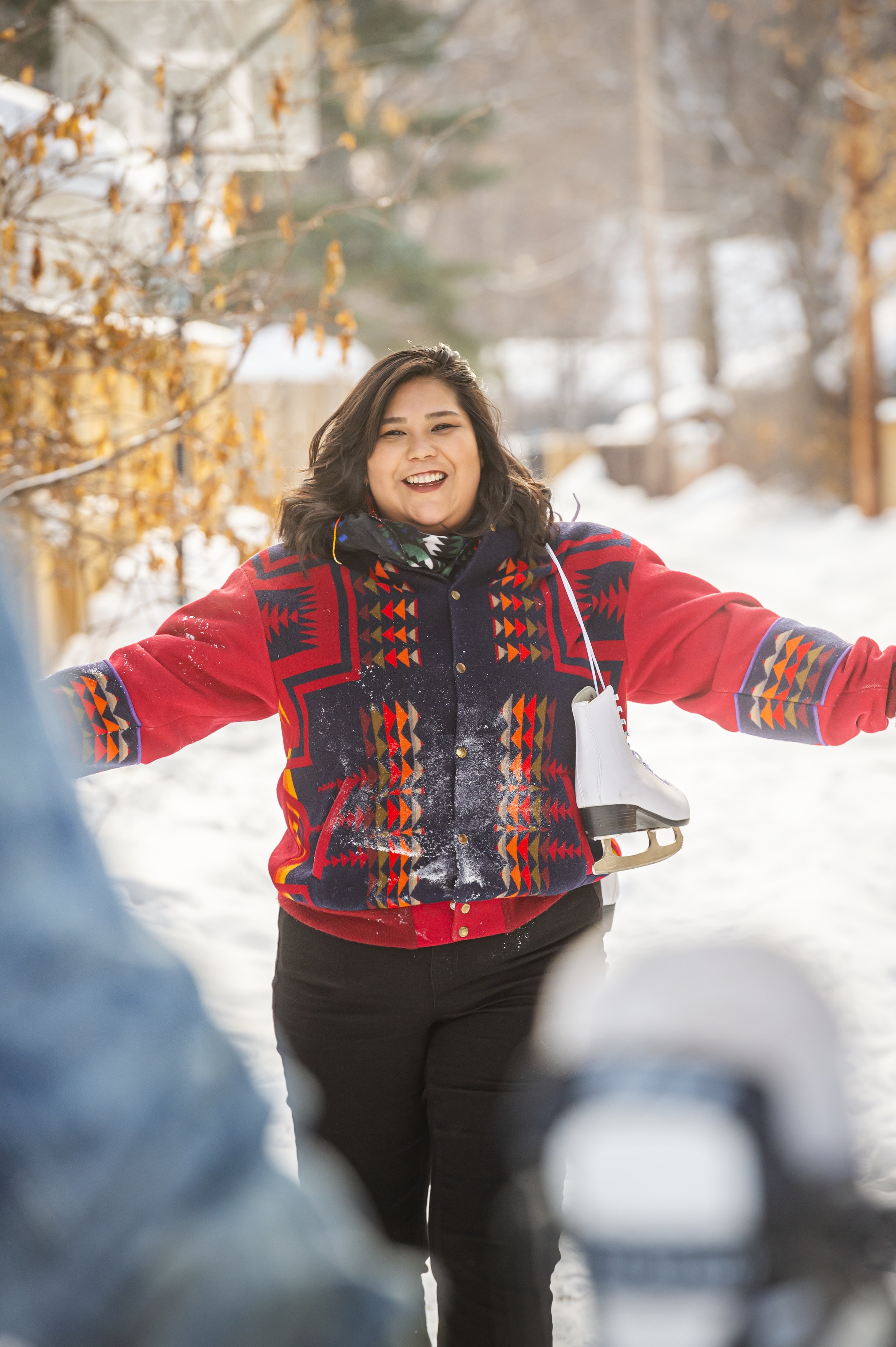
Honey Constant-Inglis nitisîyikasôn, ninêhiyaw-iskwêw. pakitahwâkan-sâkahikanihk ohci niya. I am Honey Constant-Inglis (They/Them) and I am Plains Cree from Sturgeon Lake First Nation.
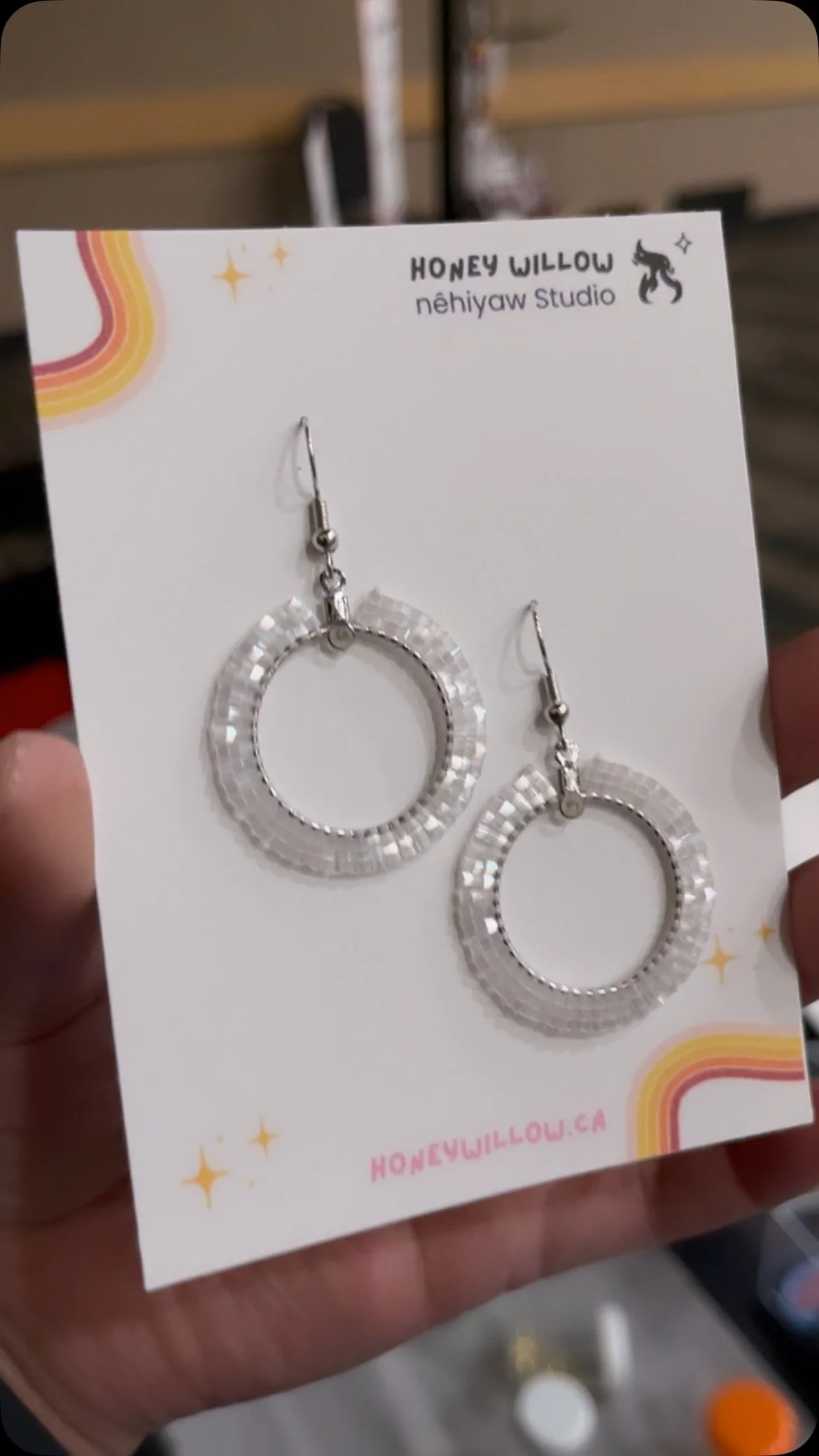
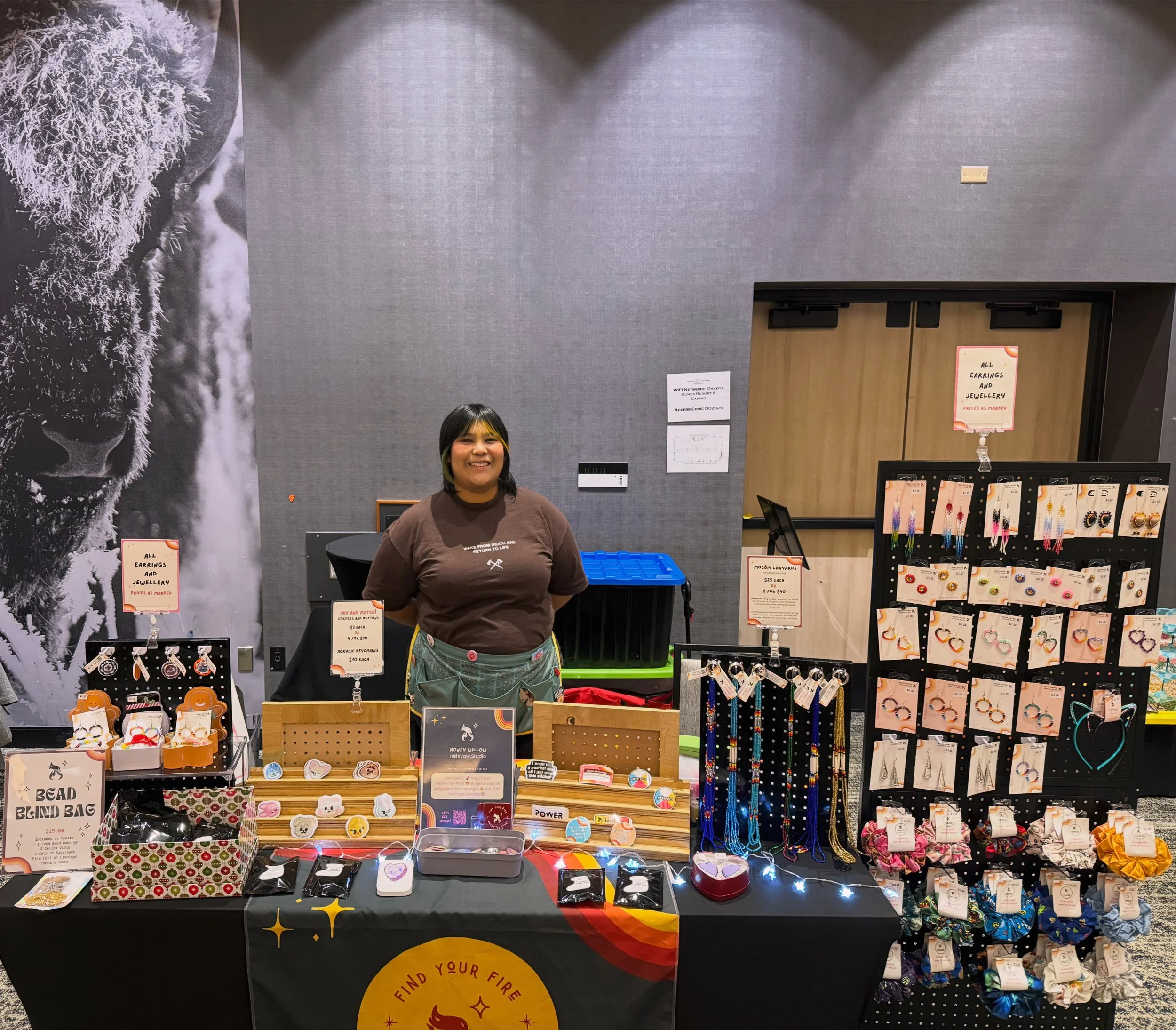
I am the Two Spirit Artist, Indigenous Archaeologist, and Heritage Educator of Honey Willow nêhiyaw Studio.
I have built my career from sharing my experience as a nôsisim, grandchild of Indian Residential School survivors who was learning to love myself and reconnect to my language. My Masters thesis included the exploration of Anti-racism education, Truth and Reconciliation, and Indigenous language revitalization.
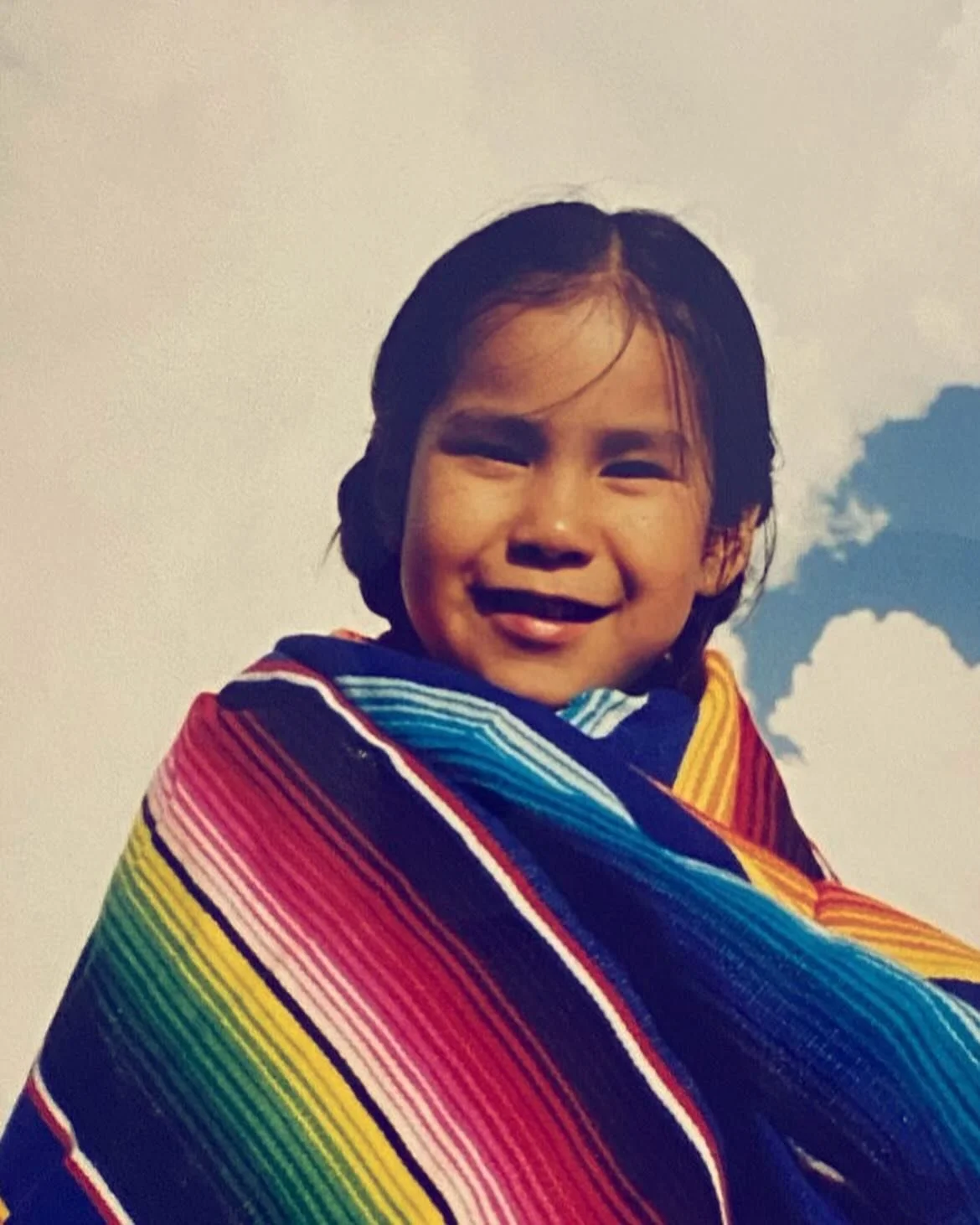
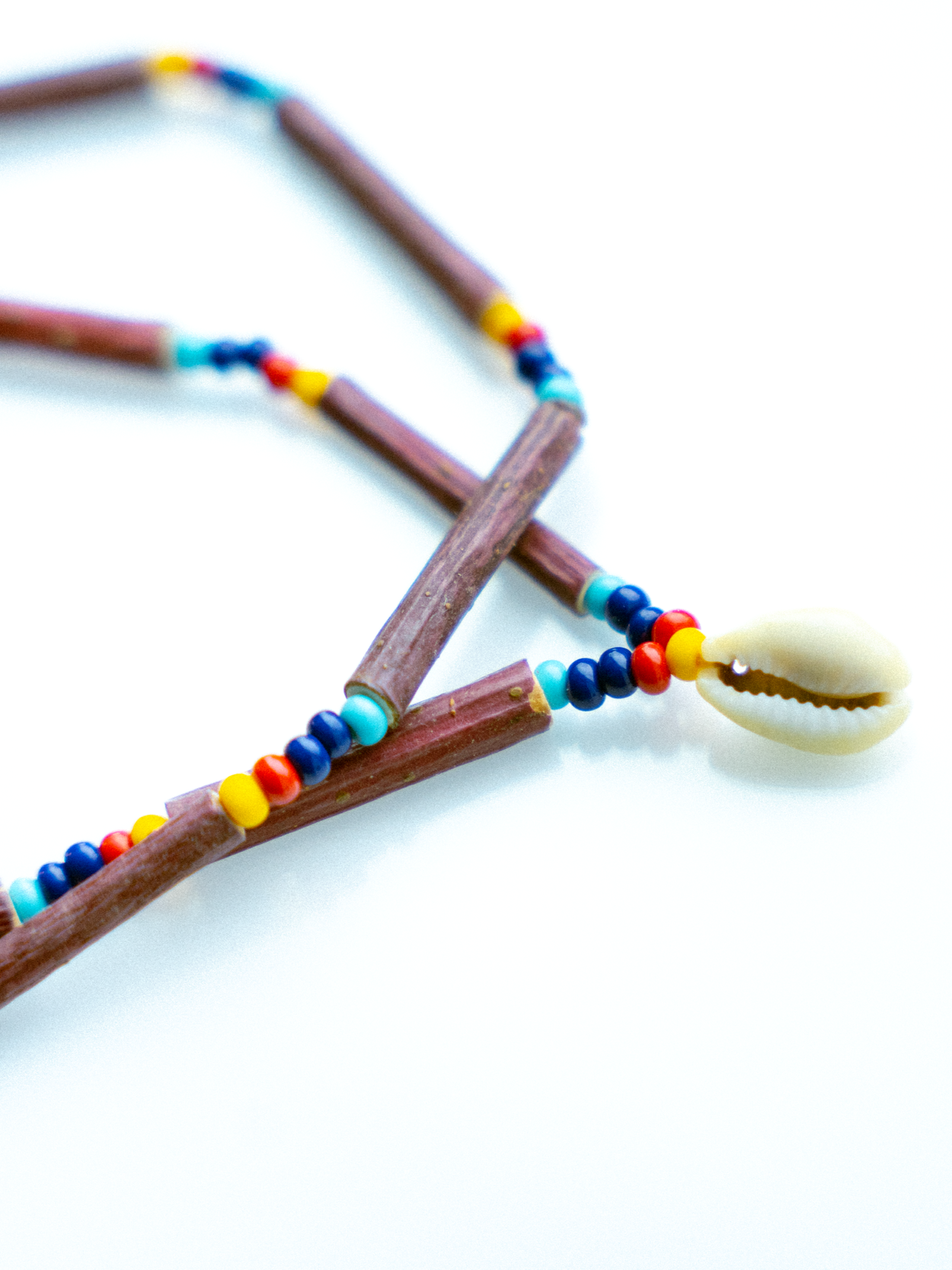
As an intergeneration Residential School survivor, learning to bead at16-years-old was the start to of my healing journey.
I carry the name Willow as a reminder that I am connected to my nicapan, my great-grandpa who had passed before I was born. He had gifted nimosom the teaching of the Red Willow, a medicinal plant that can be harvested and weaved into baskets. Our name “Honey Willow” is a reminder of the plant we harvested together as family, seeing sticks soaking in water as they are primed for weaving, or the cut sticks for necklaces with the sweetest aroma. Red Willow is very much part of our family, its niwâhkôhtowin, and we carry this history in our name.

I chose Archaeology right after I experienced underwhelming museum experience. I researched the education requirements to become a curator because I thought to myself “I can do this better.” When I started University the falling Fall, I declared my major and have dedicated my voice to this endeavour since.
It is my own personal mission to advocate and accurately reflect the stories or diversity of our Indigenous relatives across Turtle Island.
Why Archaeology?

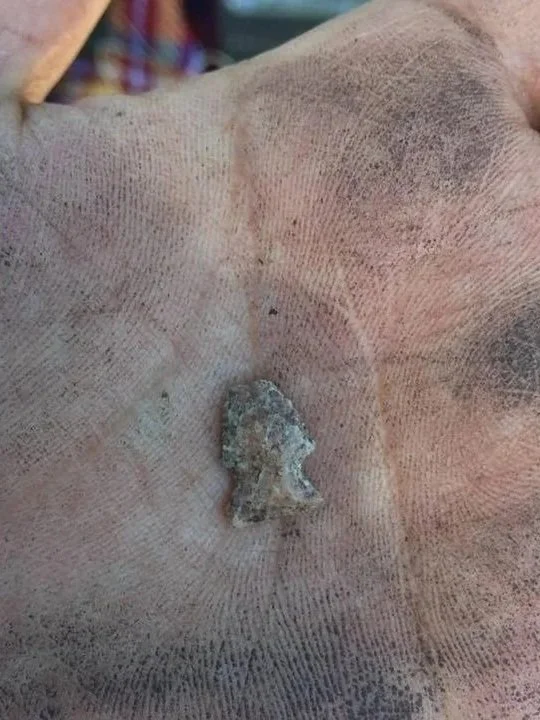
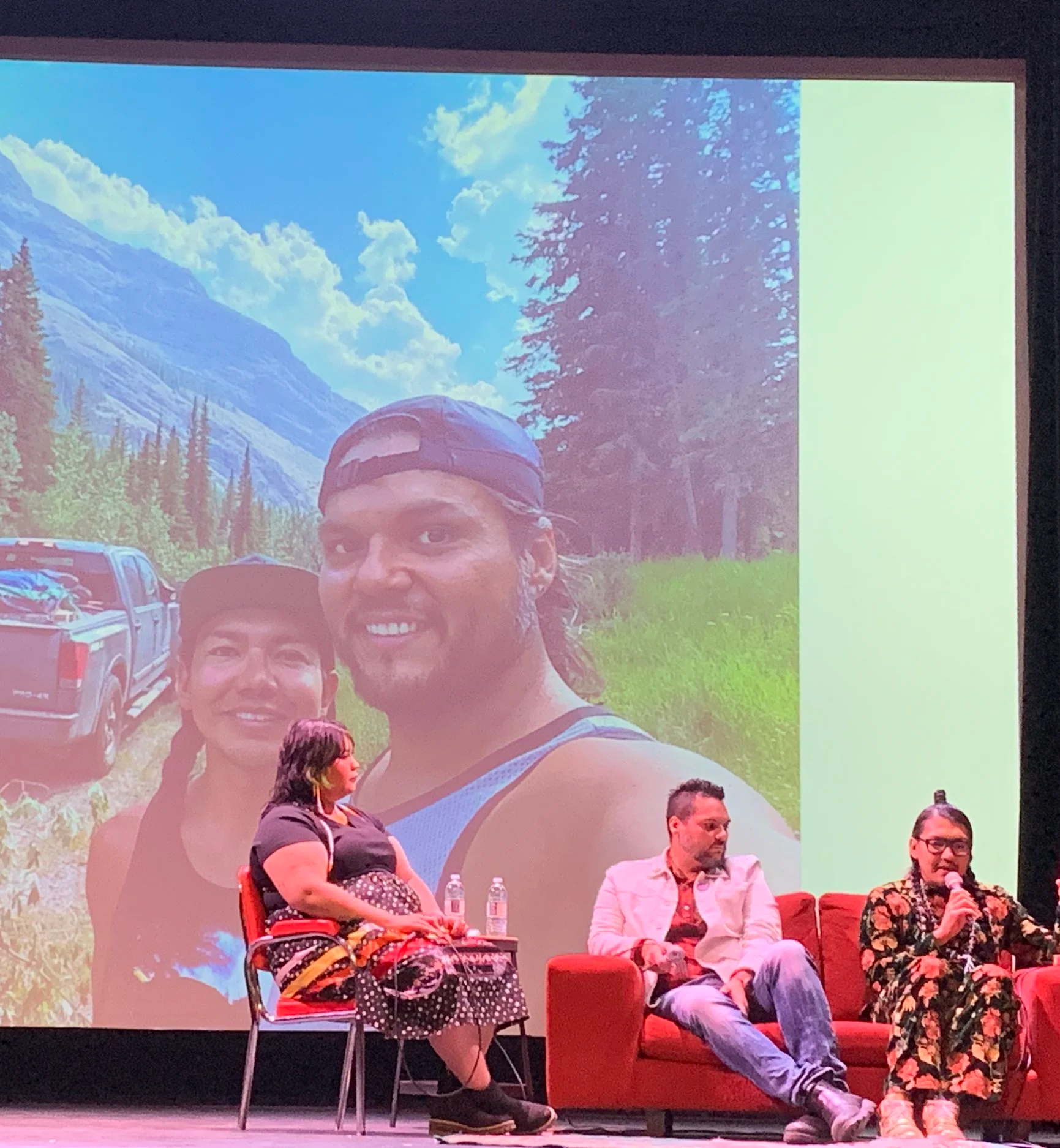
My Masters thesis “Archaeological Interpretive Design from the Indigenous Perspective” where I explore Indigenous and Plains Archaeology as a learning tool in Saskatchewan classrooms. I worked with Grade 4 and Grade 6 teachers to create learning resources and programming that are reflective of our Plains Worldview and Ways of Knowing - which has been a proven way to address the education gap between Indigenous learners and the current education system in Saskatchewan.
I use archaeology as a way to reconnect to my Plains Cree identity and share the story of the Northern Plains Indigenous Peoples, as told by our relatives.
It has been an honour to share my story and how I reconcile the field of Archaeology across North America and further!
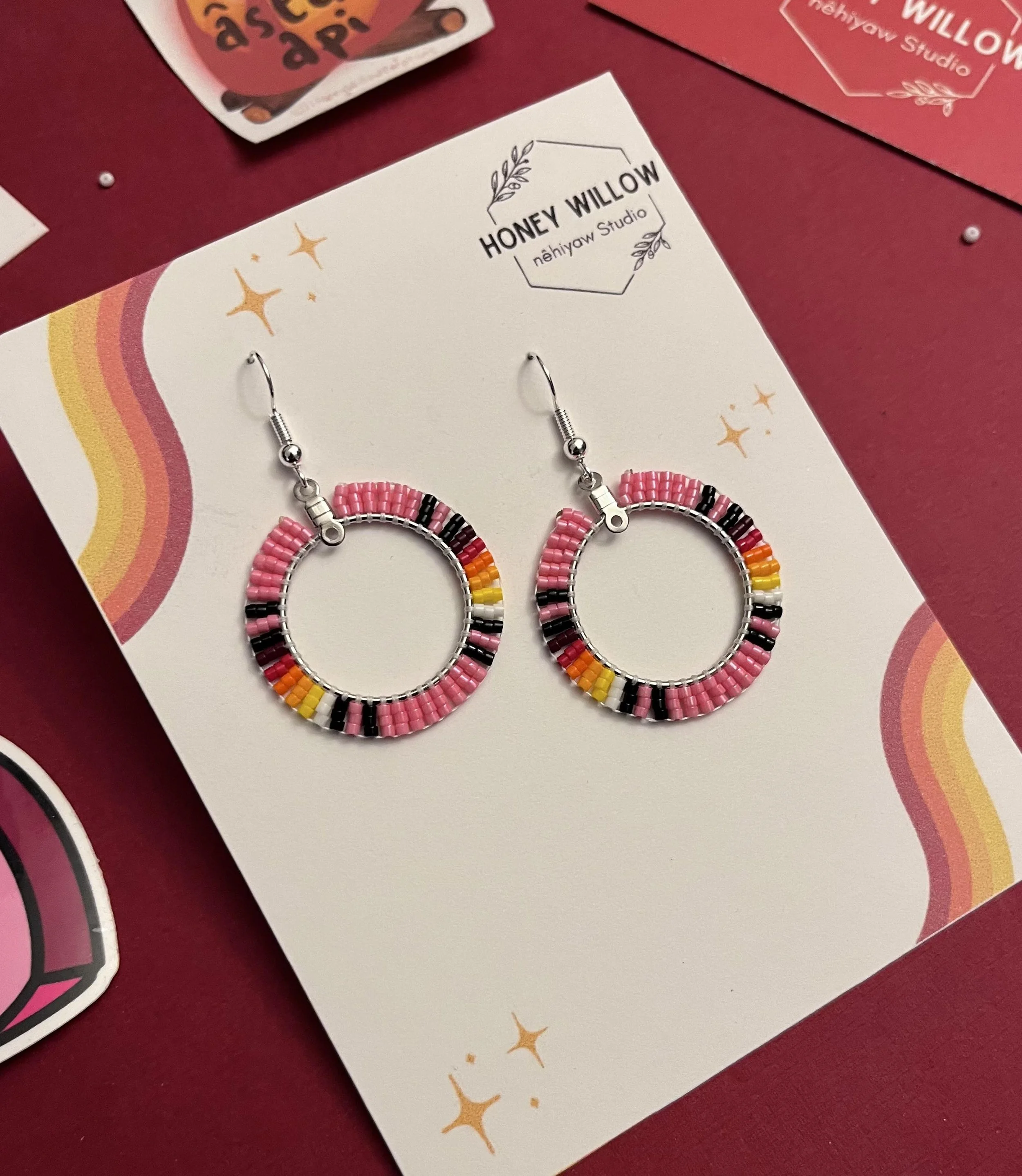
Indigenous Artist
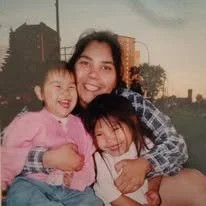
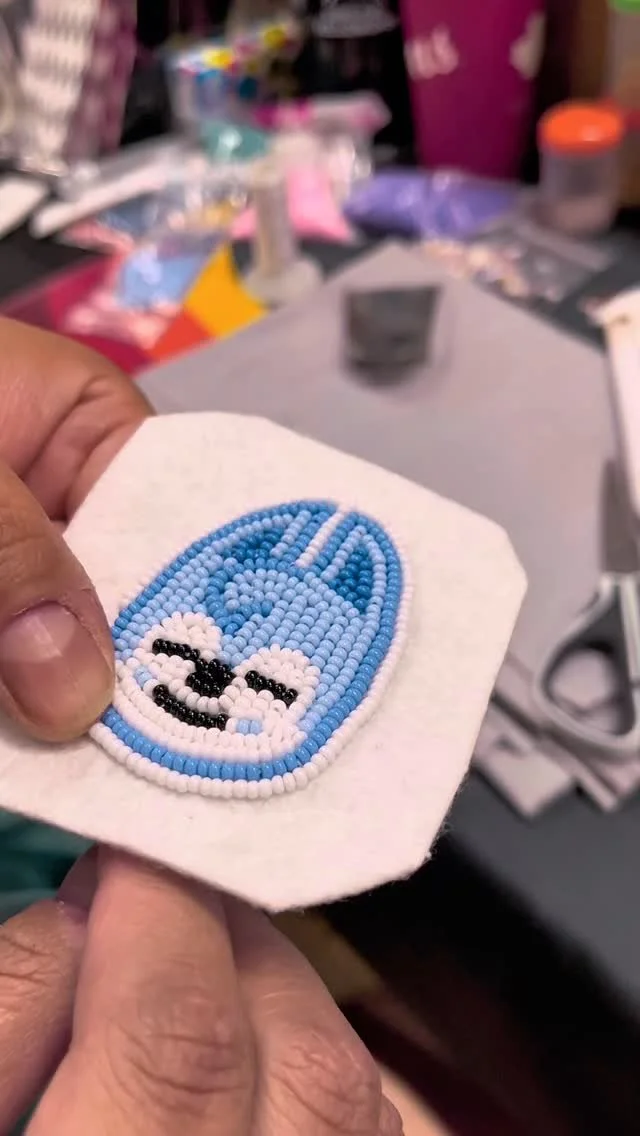
I learned how to bead from my nikâwiy (my mom) and nôhkom. I remember watching the women in my life sitting around one lamp and beading for hours. As a small child, I wanted to bead too. I remember using a pipe cleaner and large plastic beads.
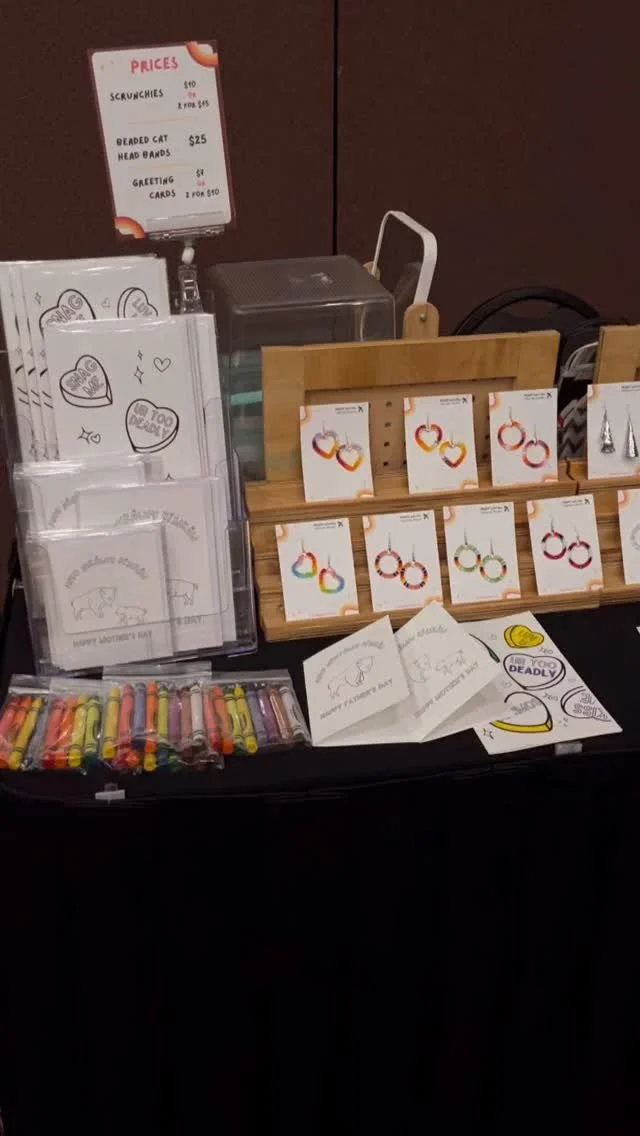
I started making beaded mitts and porcupine quill earrings as a teenager. Then in the Summer of 2019 I started beading every day. With support from my niwâhkôtowina, my family, I got better and learned new skills. My heart is happiest when I make beaded lanyards, earrings, and ribbon skirts but over the years I have done a little bit of everything.
I’m very proud to support myself through my traditional crafts and my Archaeology degrees. I have built a sturdy base to my career as a workshop facilitator, artist, and heritage educator.
If you told 16 year old me that people would recognize my artwork around Saskatoon, they would not believe you. I am truly humbled to have the support of my Honey Willow Community who have walked with me thus far.
I share my journey with everyone over on my Instagram page if you would like to join us (@HoneyWillowCreations)